
CSX CEO Joe Hinrichs Addresses Morgan Stanley Laguna Conference
Written by David C. Lester, Editor-in-Chief


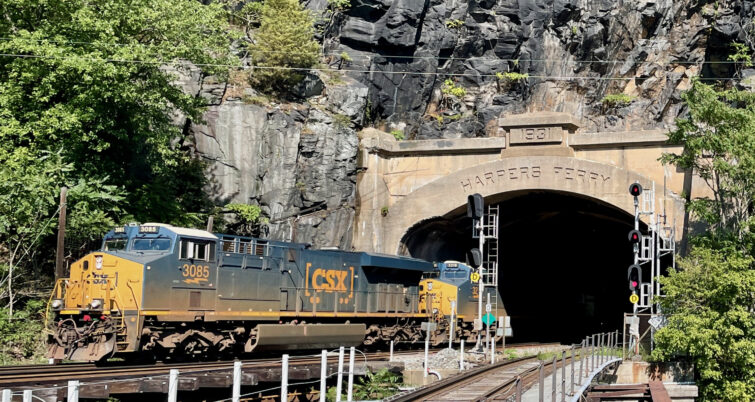
LAGUNA BEACH, Calif. –– While this is not a typical story for RT&S we're reporting on this because of some insightful remarks made by CSX CEO Joe Hinrichs at this investor conference.
The Morgan Stanley 13th annual Laguna Conference held last week covers Industrials, Machinery, Aerospace & Defense, Airlines, Freight Transportation, Autos & Suppliers, and Materials companies. The conference featured Joe Hinrichs who shared information about CSX and the railroad industry in general.
Hinrichs stressed the need for the industry to work cooperatively to grow the pie, serve customers better, and to capture truck conversions if the industry’s fortunes are to improve.
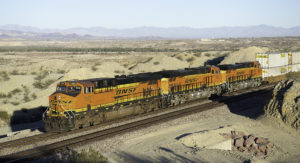
He also touted the benefits of interchange opportunities as a key way for the industry to work cooperatively. He noted that CSX partners with BNSF on an intermodal train that BNSF brings into Birmingham, then CSX crews take the train to Atlanta, with the same BNSF locomotives, and the same thing happens in reverse. Hinrichs said this has worked well for years and doesn’t necessarily see that single line service along this route would offer any huge advantages.
Hinrichs fielded questions related to margin growth, operating ratio, and growing market share. He said “Let’s be honest. The last 10-15 years, the main focus has been on restructuring the business to get a lot more efficient and create better margins, which in itself isn’t a bad thing.”
Hinrichs added “But that was the No. 1 focus, and you can see all that activist activity and all of the things that went on to drive that obsession with OR improvement, which again, unto itself, is not bad, but there wasn’t, at the same time, the same drive to grow volume.”
Delving further into the issue, Hinrichs said “I’m not criticizing it because look at the efficiencies and the operating margins that we have that we didn’t have 10-15 years ago. But if your only pursuit is every quarter trying to show a little better OR, then intermodal business is not going to be your priority, or other truck-competitive carload business, let’s say, because the pricing dynamics are different.”
HInrichs continued “We’ve got to be able to demonstrate you can continue to run a very efficient railroad, optimize your margins, pricing, everything on the carload business, and grow and go after that truck-competitive business, whether it’s carload or intermodal.”


Leave a Reply