Balfour Beatty Receives Top Honors from AGC of California for Caltrain Electrification Project
Written by Jennifer McLawhorn, Managing Editor


Caltrain
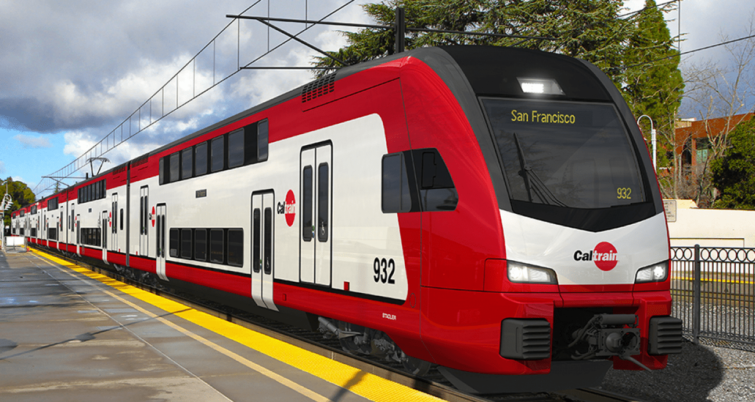
SAN FRANCISCO - Balfour Beatty receives several high distinctions from Associated General Contractors (AGC) of California for its involvement on the Caltrain Electrification project.
Balfour Beatty was recognized at the 2026 AGC of California Installation & Awards Gala held on January 30, 2026 in San Francisco. According to the release, the honors recognize and highlight the technical excellence of the Electrification project and the collaboration and leadership needed in “advancing complex rail and civil infrastructure.” The project won the Constructor Award in the Heavy Civil $100 million and Over category, thus recognizing the role Balfour Beatty played in the project’s delivery. Additionally, the team won in the Excellence in Partnering category, highlighting its collaborative efforts. Caltrain won Owner of the Year award, an award which recognizes the leadership and commitment to “modernizing transportation for the communities it serves.” The awards acknowledge Balfour Beatty’s leadership and commitment to excellence, says the infrastructure group.
Balfour Beatty US President of Infrastructure and Managing Director of Rail operations said, “Standing among the state’s elite builders our partnership with Caltrain was recognized for its technical complexity and collaborative spirit, and for this we are humbled. This recognition reflects Balfour Beatty’s core values and our teammates’ extraordinary dedication in delivering the first project in North America to transition diesel rail infrastructure to an electrified system. It also showcases the strength of our global enterprise, bringing together expertise, resources and supply chain partners from across Balfour Beatty to successfully deliver this transformative program.”
The Electrification project reached “substantial” completion in September 2024 and was completed after dividing the corridor into 15 work zones. These work zones operated mostly at night, allowing for daily service for 65,000 riders to continue. Crews used contractor-operated wire trains and “agile elevated work platforms” to make its work possible whilst maintaining daily service.
Media
RELATED ARTICLES