Oregon Legislators Consider 4% Tax On New Tires To Fund Public Transit, Rail, and Wildlife Crossings
Written by David C. Lester, Editor-in-Chief


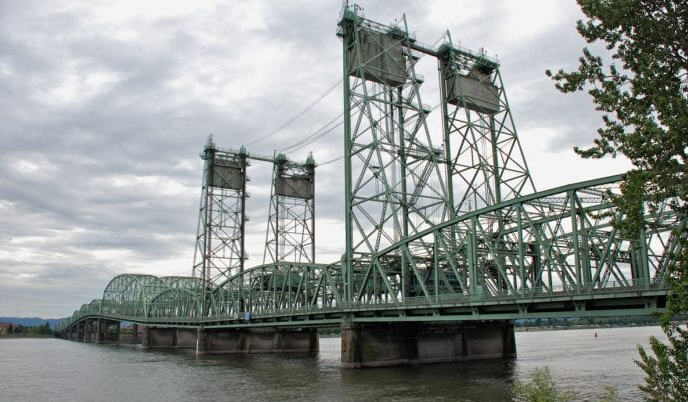
File photo
SALEM, Ore. –– The Oregon Legislature is considering a 4% tax on the sale of new tires throughout the state to fund wildlife crossings, public transit, and rail.
This tax would deliver approximately $20 million per year to the Oregon Department of Transportation. The legislator sponsoring the bill, Rep. Ken Helm, D-Beaverton and Chris Gorsek, D-Troutdale said that the tax would add about $6.00 to the cost of each tire. A key concern among residents who submitted a total of 1,200 responses to the proposed bill, (about 90% of whom oppose the bill), is the likelihood that the tax will rise over the years, with the potential of a significant rise in the cost of new tires.
The Oregon Capital Chronicle reports that one who submitted opposing testimony was Rep. Bobby Levy, R-Echo “who said the tax would unfairly penalize rural Oregonians and industries in her district in eastern Oregon.” The newspaper goes on to report her additional comments: “‘Unlike urban residents, many eastern Oregonians drive long distances daily for work, school, medical appointments, and essential services. Our roads are often rougher, our weather more extreme, and our livelihoods — whether in agriculture, ranching, or small business — depend on vehicles in good working condition,’ she wrote. “’This tax would unfairly penalize rural Oregonians, who already face higher transportation costs due to fuel expenses, vehicle maintenance and limited public transit options.'”
The Chronicle points out that “The tax would not apply to tires on semi trucks or tractors and other farm equipment. Helm said heavy duty truck owners already pay a state tax based on their mileage and the weight they carry per mile.”
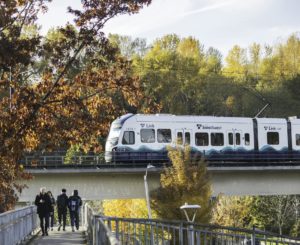
The Department of Transportation’s rail and public transit projects would receive three-quarters of the tax revenue. In addition, the Oregon Department of Fish and Wildlife and the Department of Environmental Quality have been concerned about water pollution from tire compounds that are seeping into the waterways, posing a threat to Northwestern salmon.
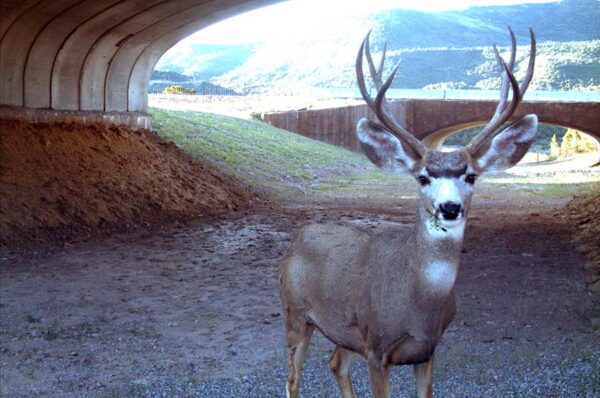
Projects that help animals safely cross and go around major roads would receive the remaining 25% of the tax. To this point, Oregon’s general fund has not been able to adequately pay for wildlife crossings.