MBTA Celebrates Opening of Worcester Union Station Center Platform
Written by MBTA Corporate Communications


Officials celebrate the opening of MBTA’s new center platform at Worcester Union Station.
MBTA
WORCESTER, Mass. –– [This week], Lieutenant Governor Kim Driscoll, MBTA General Manager and CEO Phillip Eng, and Worcester Mayor Joseph M. Petty joined local elected leaders and stakeholder advocates to celebrate the newly opened center-running platform at Worcester Union Commuter Rail station on the Framingham/Worcester Line.
The new, high-level, center-running platform at Worcester Union station opened to passengers on Monday, July 1, 2024, and improves Union station’s functionality, ridership capacity, safety, and is fully accessible.
“We know how critical Union Station is for the City of Worcester – connecting our state’s second largest city with communities across the state, supporting economic development in the region, and helping people get where they need to go safely and reliably,” said Governor Maura Healey. “This new platform supports increased service and increased ridership. Importantly, it also paves the way for future passenger rail expansion, including West-East Rail. We’re grateful for the partnership of so many Worcester officials who helped make this possible, and congratulate the T on a job well done.”
“Investing in our transportation system means investing in our communities,” said Lieutenant Governor Kim Driscoll. “This Worcester Commuter Rail promotes connection across the state. Investments like these are critical to moving Massachusetts forward and making sure we support everyone in the state.”
“These significant platform, track, and accessibility improvements help advance the goal of the Healey-Driscoll Administration to build infrastructure to support travel through public transportation,” said Transportation Secretary and CEO Monica Tibbits-Nutt. “The station improvements put us on a path to accommodating increased train service between Western and Eastern Massachusetts. The infrastructure supports needs today and will be the building blocks of expanded train service in the future.”
“We are committed to rebuilding our infrastructure making our stations more welcoming and fully accessible for all. On July 1, the MBTA reopened the center platform at Union station for our Worcester passengers,” said MBTA General Manager and CEO Phillip Eng. “Union station is a critical transportation hub for the Worcester community. The upgrades will ensure safe and more reliable service that allows two trains to serve the platform, which is a significant improvement to prior service that was limited to only one train at Union station. The reopening of this platform is another step forward towards improving service to the Worcester area. Thank you to the leadership of the Healey-Driscoll Administration for their focus on the MBTA and the services we provide to better enable us to deliver this critical project. I’m proud of the dedicated hard work of the MBTA Capital Delivery team and appreciate the support of the Worcester community; as we welcome you back to this new and improved platform.”
“I am grateful for the city’s partnership with the MBTA as we work toward improved access to the Commuter Rail for riders,” said Worcester Mayor Joseph M. Petty. “The center platform will open up greater opportunities for much-needed, expanded access to get to Boston and, eventually beyond. This center platform is just the beginning of great things we will continue to accomplish with strong collaboration.”
“This new platform is a great update for all Commuter Rail users traveling in and out of Worcester,” said City Manager Eric D. Batista. “It not only can accommodate an additional train but improves user experience and operational efficiency. Train service is an essential part of the Worcester community’s transportation network, and we thank the Healey-Driscoll administration and MBTA for its investment in the Union Station platform and look forward to continued partnership.”
The new center-island platform at Union station can accommodate two trains at the same time versus the previous single-side platform, which only accommodated one. The center-island platform improves and reduces train dwell times at the station, improves operational flexibility, and eases congestion along the Worcester Line, thereby improving the customer experience for passengers. The center platform is also high-level, making it accessible for all passengers.
The new center-island platform and associated stairs and station canopies accommodate and provide flexibility for additional MBTA Commuter Rail and Amtrak Intercity Passenger Rail, including expanded West-East Rail service. Two new station access points were also constructed – a new pedestrian tunnel/concourse from the platform under the tracks to the historic station building and a new pedestrian bridge at the opposing end of the station to an expanded and modernized parking lot. Three new elevators, stairways, security, and accessibility improvements to the commuter parking area have also been accomplished.
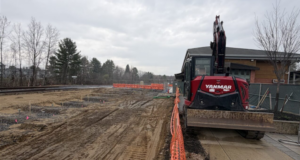
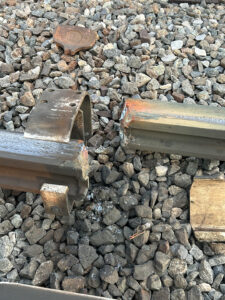
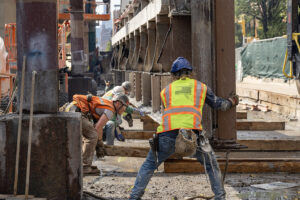
Demolition of the old platform, tracks, and signals will continue until the end of this year. Passengers should expect to see construction activities at the station, but there will be no impact to passengers’ commutes.
The reopening of the platform joins additional transit benefits in support of the Worcester community, including the restoration of a morning express train to Boston in spring 2024 and an investment of $20 million in signal repairs this year that will enable 30-minute headways on the Worcester Line.
Worcester’s Union station first opened in 1911 and was built by the New York Central Railroad along the Boston and Albany Railroad Main Line. The Worcester Redevelopment Authority (WRA) began renovating the station in 1994. It re-opened to passengers in July 2000, providing MBTA Commuter Rail, Amtrak Intercity Rail, and local bus service/connections.
The previous platform was closed to passengers with a temporary platform opened in March 2022. The total budget for the project was approximately $74 million with funding from a variety of federal, MBTA, and city funding sources.