Rail Yard Pollution Target of New Southern California Rule
Written by David C. Lester, Editor-in-Chief


David C. Lester
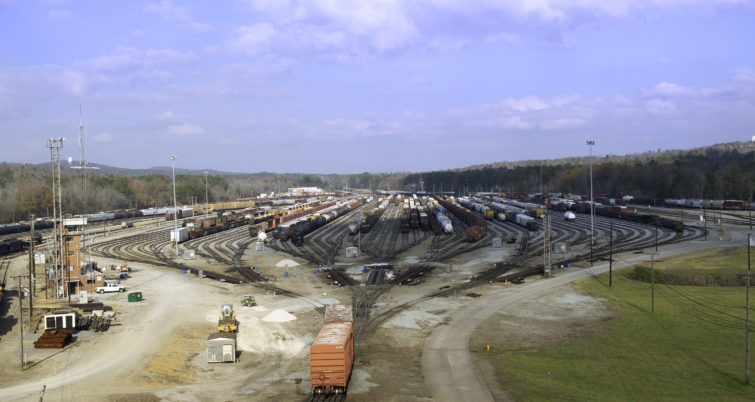
DIAMOND BAR, Calif. –– A Southern California Air Quality regulatory agency has issued a new rule targeting locomotive emissions generated in rail yards.
On May 2, 2023, RT&S reported on the parameters of the California Air Resouces Board (CARB)’s locomotive emissions rules. The story, written by Railway Age’s Senior Editor Carolina Worrell says “According to CARB, under the In-Use Locomotive Regulation—the first-of-its-kind in the nation—operators will now be required to pay into a spending account, and the amount will be determined by the emissions they create while operating in California. Companies, CARB says, will be able to use the funds to upgrade to cleaner locomotive technologies; locomotives will also have a 30-minute idling limit. Additionally, switch, industrial and passenger locomotives built in 2030 or after will be required to operate in zero-emissions configurations while in California, and in 2035 for freight line haul.” You can read that article here.
Now, an additional locomotive emissions rule was issued last week by the South Coast Air Quality Management District (South Coast AMQD). The first two paragraphs of the press release, published by PR Newswire, about the new rule follow.
“Today, the South Coast Air Quality Management District (South Coast AQMD) Governing Board adopted Rule 2306, otherwise known as the Freight Rail Yards Indirect Source Rule (ISR), which requires rail yard operators to take actions to meet specific emission reductions targets. The rule is expected to reduce Nitrogen Oxides (NOx) emissions associated with freight rail yards by about 10.5 tons per day between 2027 to 2050.
“The rule is designed to work together with the regulations recently adopted by the California Air Resources Board and will ensure that rail yards in the South Coast Air Basin reduce emissions. Freight rail yards subject to the rule will be required to achieve up to 82 percent emissions reductions by 2037 through a variety of actions including using cleaner technologies or lower emitting equipment associated with rail yards.” You can read the remainder of the press release here.
Media
RELATED ARTICLES