Association of American Railroads (AAR) Comments On Proposed Railway Safety Act
Written by David C. Lester, Editor-in-Chief



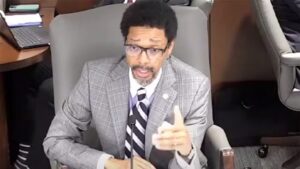
WASHINGTON, D.C. –– This week, the AAR responded to a U.S. House Committee proposal to boost the Railway Safety Act.
The Railway Safety Act, which has been bouncing around in Congress since 2023 in response to the Norfolk Southern East Palestine, Ohio, derailment in the same year, was reintroduced in 2026. The Act received a boost this week as the House Transportation and Infrastructure Committee decided to attach it to a more extensive piece of transportation legislation, the Build America 250 Act, which focuses on funding for rail and highway transportation development projects.
Ian Jefferies, AAR President and CEO, released the following statement in response to this Congressional action:
“Freight railroads have been clear from the beginning of the surface transportation reauthorization process: rail policy provisions should be targeted, justified by data, and tied to clearly demonstrated operational or safety needs. Unfortunately, some provisions advanced today fail that test. Rather than focusing narrowly on evidence-based reforms connected to the actual causes of incidents like East Palestine, the package includes a wide range of extraneous mandates under the veil of safety that will only increase costs throughout the freight network and broader supply chain with no proven safety benefit – ultimately harming rail customers, manufacturers, energy producers, farmers and American consumers already facing significant affordability pressures. That’s precisely why so many rail customer groups expressed concern about these very provisions.
This approach is particularly misguided given that 2025 marked the safest year in freight rail industry history across several key safety measures, including historic lows in derailments, equipment-caused accidents, track-caused accidents, and employee injury rates. These gains were achieved through sustained private investment, technological innovation, and data-driven safety practices – not static federal mandates. The Railway Safety Act, as written, violates the President’s pledge to lower costs, and is an unfortunate example that politics and special-interest pressure can sometimes usurp sound, data-driven policymaking during today’s proceedings.
Today’s markup is the first step in what will be a long legislative process, and freight railroads will continue working constructively with lawmakers to support policies that strengthen safety, promote innovation, and preserve an efficient and competitive freight transportation system. At a time when Congress is simultaneously greenlighting autonomous transportation technologies in other sectors, efforts to include rail policies that lock yesterday’s operating models into federal law are nothing more than hypocrisy.”