
Intramotev, Watco Forge TugVolt Commercial Agreement
Written by William C. Vantuono, Editor-In-Chief, Railway Age


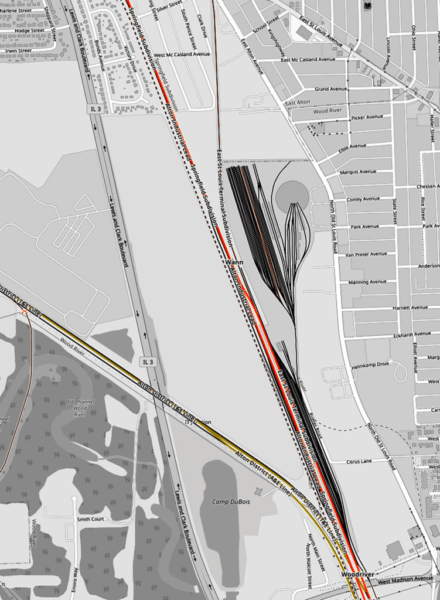
ST. LOUIS -- Intramotev, developer of the TugVolt autonomous battery-electric railcar, has entered into a new commercial agreement with short line holding company Watco, which will deploy the technology within its network, beginning with the Wood River Transload Terminal in Illinois, just north St. Louis, Mo.
Ed. Note: While not a typical area of coverage for RT&S, the development of autonomous, battery-powered railcars is a significant change for the railroad industry. So far, they have been used to carry commodities relatively short distances, but the technology is exciting and will bring efficiencies to the supply chain at several points. The article here was prepared by William C. Vantuono, Editor-in-Chief of Railway Age, and we are glad to share it with RT&S readers. DCL
Open Railway Map
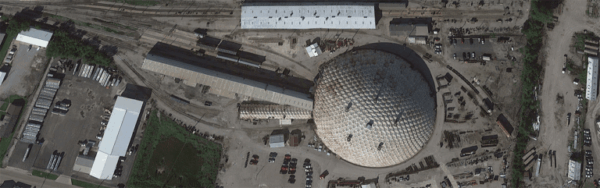
The Wood River Transload Terminal has a geodesic dome used for indoor storage and transloading commodities like soda ash and steel, and a 450-spot railcar storage yard.
Watco
“At Watco, we’re always exploring new ways to support our customers,” said Watco Senior Vice President of Operations Solutions and Support Aaron Jensen. “This program with Intramotev reflects our commitment to evaluating innovative technologies that could help us better meet the needs of our shipper customers.”
Intramotev
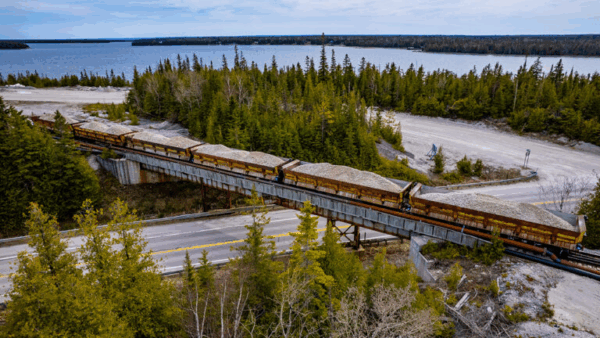
Intramotev describes itself as “the first company in the world to commercially deploy autonomous freight railcars.” TugVolt technology is currently in revenue service for Carmeuse Americas in Michigan’s Upper Peninsula (above). The company has moved more than 250,000 tons of material this year and has delivered more than 3,500 carloads in production.
“We’re excited for the opportunity to create value for Watco’s customers with the TugVolt and its corresponding technology,” said Intramotev CEO and Co-Founder Tim Luchini. “Our technology brings new levels of flexibility to yard operations, helping customers move freight exactly when and where they need it. That means fewer delays, lower costs, and supply chains that work on the customer’s schedule.”


Leave a Reply