Rail Transit Growth in the U.S. Lags Behind Population Growth
Written by David C. Lester, Editor-in-Chief


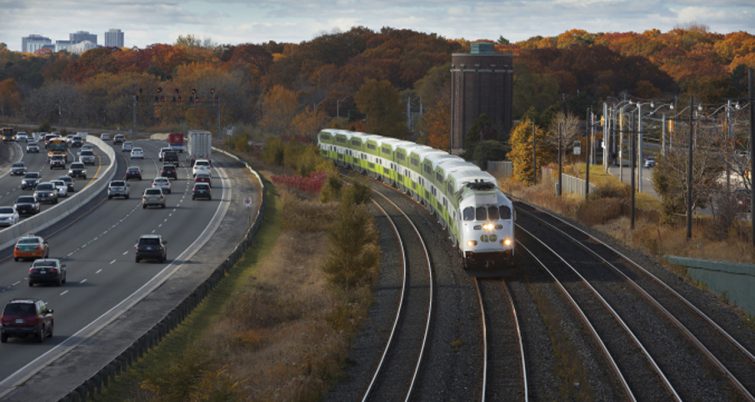
Metrolinx GO transit train.
Metrolinx
WASHINGTON, D.C. –– The Urban Institute reports that the U.S. population growth is running ahead of proportional rail transit growth.
Urban rail transit has faced difficult times for nearly a decade. Despite significant federal funding from the 2021 Infrastructure Investment and Jobs Act, the industry has continued to struggle. While there are a number of reasons for this, the main drivers essentially began with Covid and the resulting concerns about being around other people in public places, especially an enclosed vehicle like a rail transit car. Covid reduced ridership significantly and this was followed by the “work from home” movement where most who had the option performed their jobs from home using remote communication tools like computer applications and some of the products that were developed or refined during this period such as Zoom for internet meetings and other collaborative solutions. Many still work from home today, but auto traffic in many cities seems as bad or worse than it was before working from home became popular. However, in some urban areas, municipal governments are putting pressure on businesses and corporations to require their associates to work in the office to prevent downtown central business districts from becoming economic rot.

Some have suggested that the reduced ridership on trains that continue to run has resulted increase in crime on many systems, lowering ridership even more. Perhaps. Others suggest that the political will for funding rail transit systems, which are much more expensive than buses or other motorized vehicles, has dropped due to tightening budgets for urban development. Regardless of the reasons, this is where we sit.
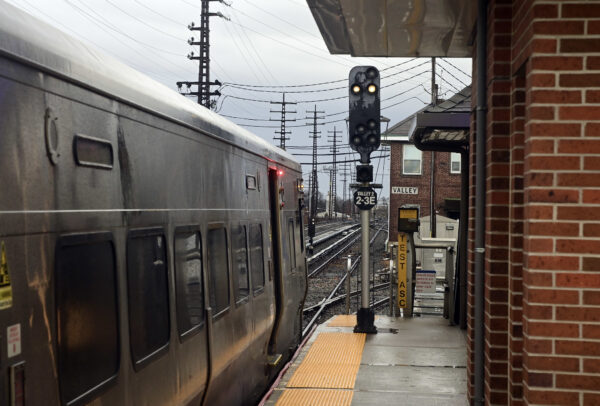
The Urban Institute recently released a report that says urban rail transit development in the United States, in terms of new system mileage and expansion of existing systems, has dropped about 8% since 1990. Moreover, rail transit development has slowed relative to the increase in population in the country, meaning that the rail transit is not as readily available here as in other wealthy countries, forcing folks into cars with the concomitant burning of fossil fuels and air pollution.

The report also points out political and policy issues that brought us to where we are. For example, the report says “there have been no approvals for new transit projects in the first year of the current [POTUS 47] administration.” Yonah Freemark, the author of the report who is also an Urban Institute principal research associate working in the agency’s Housing and Communications Division, adds that this contrasts with the first year of the first [POTUS 47] administration, when the Federal Transit Administration “agreed to more than $2 billion in contracts, though the administration later delayed some of these projects.”

The report wraps up with some policy recommendations:
- “Congress could emphasize investment in new rail transit when it negotiates the reauthorization of federal transportation funding this year.
- Congress could ensure projects that have signed full funding grant agreements with the FTA have their funding restored quickly to help projects open for service as soon as possible.
- The FTA could work with the Capital Investment Grant applicants, and those Congress has designated to receive funding, to move them quickly toward signing full funding grant agreements by providing additional technical support. Further delays will mean increased project construction costs over the long term.”
The report adds that “State and local governments could establish new funding sources to cover the costs of new rail projects, such as California’s long-term revenue commitment to high-speed rail through the cap-and-trade program, potentially without involving federal funding.”
You can read the full report here.
Media
RELATED ARTICLES